
Waar bent u naar op zoek?

Het type dak is erg belangrijk bij het installeren van zonnepanelen. Het bepaalt namelijk welk montagesysteem je nodig hebt, hoe het geïnstalleerd wordt en hoe goed het geheel op de lange termijn functioneert. Schuine en platte daken? Die vereisen een andere aanpak, elk met zijn eigen voor- en nadelen.
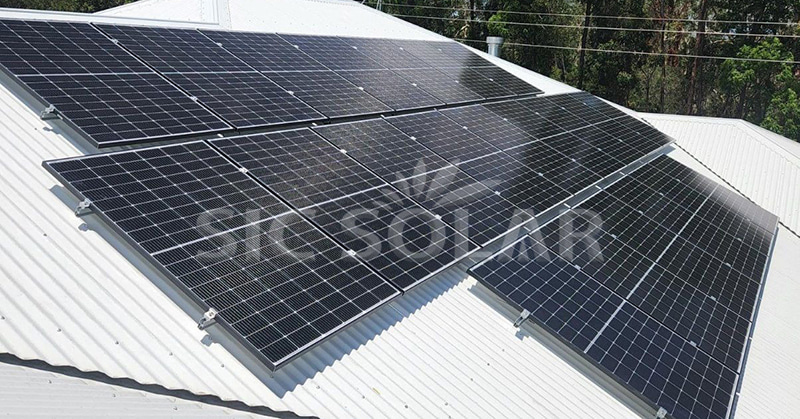
Schuine daken Deze daken zijn vrij gebruikelijk voor huizen en sommige bedrijven. Ze staan al onder een hoek, wat ideaal is om zonlicht op te vangen. Montagesystemen voor deze daken maken meestal gebruik van haken, rails en klemmen waarmee de panelen direct aan het dakframe worden bevestigd. De helling van het dak zorgt ervoor dat water en sneeuw eraf glijden en helpt de panelen zelfs op natuurlijke wijze schoon te houden. De installatie gaat meestal sneller omdat je niet veel extra materiaal nodig hebt om de juiste hoek te krijgen. Bedrijven zoals SIC Solar Ze maken verschillende montageonderdelen voor daken van dakpannen, metaal en shingles, wat betekent dat ze op alle soorten daken werken.
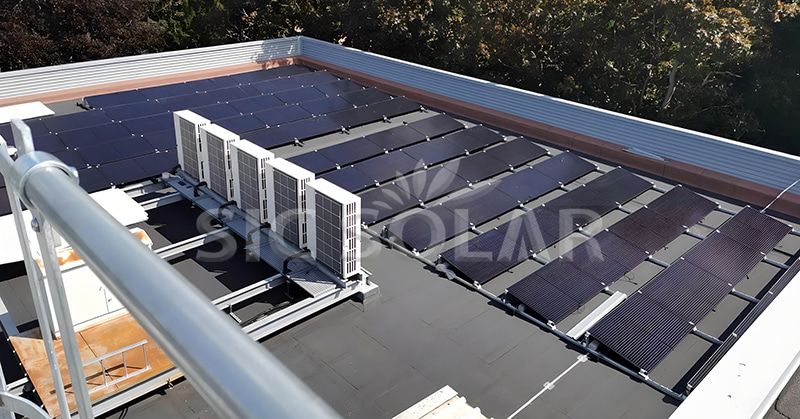
Platte daken Platte daken komen vaker voor bij bedrijven en fabrieken. Omdat ze plat zijn, moeten de montagesystemen de juiste hoek voor de panelen creëren. Meestal gebeurt dit met constructies die door gewichten worden vastgehouden of aan het dak worden vastgeschroefd. Bij systemen met gewichten worden betonnen blokken gebruikt om de panelen op hun plaats te houden zonder gaten in het dak te maken, waardoor lekkage wordt voorkomen. Bij systemen met bouten wordt de constructie aan het dak bevestigd voor betere bescherming tegen de wind. Met systemen voor platte daken kunt u de panelen naar wens plaatsen, zodat u de maximale energieopbrengst benut en schaduwen vermijdt.
Ook het gewicht en de invloed van de wind op de constructie verschillen per daktype. Bij hellende daken rust het gewicht direct op de dakbalken, terwijl bij platte daken het gewicht van de blokken, het draagvermogen van het dak en de windkracht in balans moeten worden gehouden. Goede planning is essentieel om overbelasting van het dak en veiligheidsrisico's te voorkomen. Leveranciers richten zich op constructies die goed bestand zijn tegen wind en op berekeningen om de stabiliteit te garanderen.
Ook de toegang tot de systemen voor onderhoud verschilt. Platte daken zijn meestal gemakkelijker te bereiken voor reiniging en controle, omdat men gewoon om de panelen heen kan lopen. Bij schuine daken zijn mogelijk extra veiligheidsmaatregelen nodig, maar ze bevinden zich meestal hoger, waardoor ze minder stoffig worden.
Beide systemen kunnen prima werken als ze correct geïnstalleerd zijn. De beste keuze hangt af van het gebouw, het weer, het budget en de hoeveelheid onderhoud die je verwacht te moeten verrichten. Al deze factoren beïnvloeden de prestaties van de zonnepanelen.



 IPv6 Netwerk ondersteund
 Nederlands
  English
 Deutsch
 español
 português
 العربية
 日本語
日本語 한국의
한국의 Melayu
 Tiếng việt